 Skip to content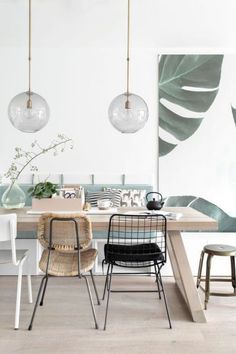
Scandinavian home decor, often synonymous with hygge, has gained immense popularity worldwide. Known for its simplicity, functionality, and natural elements, this design style exudes a sense of tranquility and warmth. Let’s delve into the key characteristics that define Scandinavian home decor.
Key Characteristics
- Minimalism: Scandinavian design prioritizes clean lines, uncluttered spaces, and a focus on essential elements. This minimalist approach creates a sense of calm and order.
- Natural Materials: Wood, particularly light-colored varieties like birch and pine, is a staple in Scandinavian homes. Other natural materials such as wool, linen, and stone are also frequently used to add texture and warmth.
- Neutral Colors: A palette of neutral tones, including white, gray, black, and beige, dominates Scandinavian interiors. These colors create a timeless and versatile backdrop that allows natural light to flow freely.
- Functionality: Every piece in a Scandinavian home serves a purpose. Furniture is designed to be both functional and aesthetically pleasing, often featuring clean lines and simple forms.
- Cozy Details: Despite its minimalist aesthetic, Scandinavian design incorporates cozy elements to create a welcoming atmosphere. Soft textiles, plush rugs, and ample natural light contribute to a sense of comfort and relaxation.
Tips for Achieving Scandinavian Style
- Declutter: Start by removing unnecessary items from your home to create a sense of spaciousness.
- Introduce Natural Elements: Incorporate plants, wooden furniture, and natural textiles to bring the outdoors in.
- Use Neutral Colors: Paint your walls a neutral shade and add pops of color with accessories.
- Focus on Lighting: Natural light is essential for Scandinavian design. Consider using sheer curtains or blinds to maximize sunlight.
- Layer Textures: Add depth and warmth to your space by layering different textures, such as wool, linen, and fur.
Scandinavian home decor offers a timeless and versatile approach to interior design. By embracing minimalism, natural materials, neutral colors, functionality, and cozy details, you can create a serene and inviting living space that reflects your personal style.
Creating a Scandinavian-Inspired Kitchen
The kitchen is often the heart of a home, and Scandinavian design offers a beautiful and functional approach to this space. By incorporating key elements of Scandinavian style, you can create a kitchen that is both stylish and practical.
Key Elements for a Scandinavian Kitchen
- Light-Colored Cabinets: Opt for white or light-colored cabinets to create a bright and airy atmosphere.
- Natural Materials: Incorporate natural materials like wood and stone into your countertops, backsplash, and flooring.
- Minimalist Hardware: Choose simple and understated hardware for your cabinets and drawers.
- Open Shelving: Display your favorite dishes and cookware on open shelves to add visual interest.
- Neutral Colors: Stick to a neutral color palette for your walls, countertops, and backsplash.
- Natural Light: Maximize natural light by using sheer curtains or blinds.
- Functional Layout: Design your kitchen with functionality in mind, ensuring that everything has its place.
Decorative Touches
- Plants: Add greenery to your kitchen with a variety of plants.
- Textiles: Incorporate soft textiles like linen or cotton for your kitchen towels and aprons.
- Wooden Utensils: Display wooden utensils on a countertop or hanging rack.
- Scandinavian-Inspired Artwork: Hang Scandinavian-inspired artwork or prints on your walls.
Conclusion
By following these guidelines, you can create a Scandinavian-inspired kitchen that is both beautiful and functional. Remember to focus on simplicity, natural materials, and a neutral color palette to achieve the desired aesthetic.